erapickleball.com Pickleball Court Rental: Liability Info
Liability is rarely the flashiest part of planning a pickleball session, yet it sits at the core of how players, facility operators, and organizers actually enjoy the game without worry. At era pickleball, the focus is on clarity, safety, and practical steps that keep the sport moving. The liability conversation is not a dull footnote; it is a living framework that shapes how you book a court, how you conduct a match, and how you handle incidental incidents with minimal disruption.
This piece digs into the specifics of what liability means in the context of erapickleball.com pickleball court rental, how the center defines risk, and what players and renters should expect as they step onto the court. It blends real-world experience from running a pickleball academy with the realities of managing a dedicated space where beginners and pros share rows of courts, a community that treats safety as a shared obligation.
A practical starting point is to recognize that liability is not just about insurance cards and waivers. It is about operational choices, staff training, facility design, and clear communication with every visitor. When you understand how these pieces fit together, the court rental experience becomes smoother, more predictable, and genuinely enjoyable.
The Era Pickleball center exists to help players improve, compete, and connect. Liability information matters because it informs how we set expectations, how we respond when a problem arises, and how we prevent repeat issues from turning into bigger headaches. The following sections explore the terrain in depth, from the legal frame to the day-to-day routines that keep a court rental program trustworthy and athlete-friendly.
Why liability matters to players and to the facility
Every time you rent a court, you are entering a space where energy, speed, and focus come together. The quick pivots, the sharp serves, the sudden slips on the painted lines—these moments create risk. It is neither pessimistic nor alarmist to acknowledge that risk exists; it is practical to acknowledge it and prepare accordingly. At era pickleball, liability considerations influence design decisions, staff workflows, and the information that renters receive before their session.
From a facility operator’s viewpoint, liability is partly about compliance and partly about culture. Compliance means meeting or exceeding local codes, health and safety standards, and any insurance requirements that apply to a commercial pickleball center. Culture refers to how the front desk, the coaching staff, and the maintenance team communicate with players about safety and accountability. When these two strands are aligned, a renter can focus on the game, while the staff stewards the environment with care.
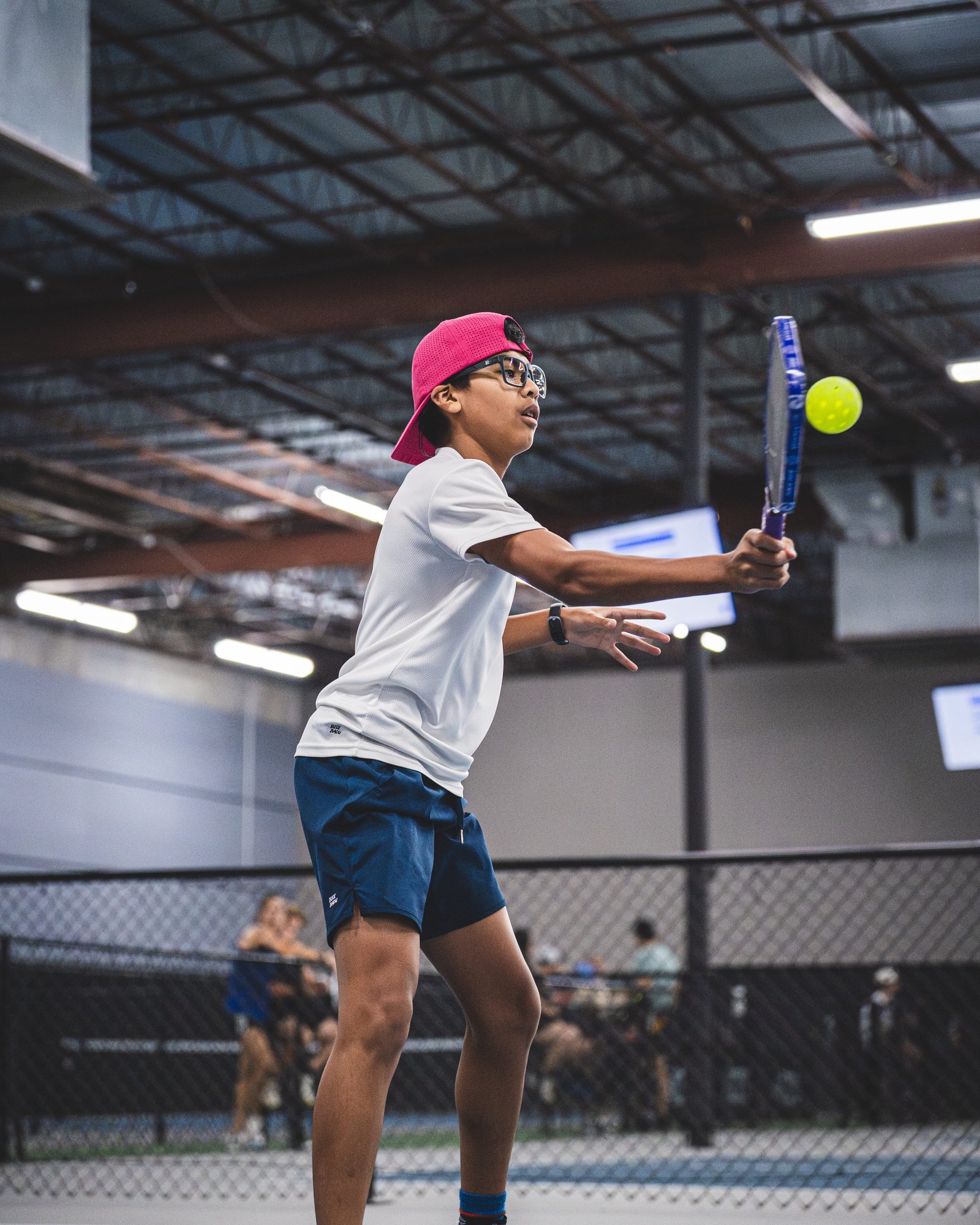
A renter benefits from understanding liability as a shared contract. You bring yourself, your equipment, and your party; the center brings the space, the rules, and the response framework. The contract is not an obstacle to play; it is a map that helps everyone anticipate and navigate potential issues. Clarity reduces surprises and makes it easier to handle the inevitable minor incidents without spiraling into disputes or delays.
What typically falls under liability coverage at a pickleball center
The practical side of liability coverage is not a long list of legal jargon. It is a series of common-sense protections that facilitate a smooth session. In a well-run pickleball center, you will see layers of protection that include insurance, waivers, safety rules, and incident management protocols. Each of these elements plays a part in how a court rental is structured and how a community learns to play safely.
First, insurance. A reputable center carries liability insurance that covers bodily injury and property damage arising from operations on the premises. This coverage is designed to respond if a participant is injured during play, http://erapickleball.com/ if a spectator sustains damage, or if an accidental incident affects equipment or the facility itself. Insurance is not a substitute for personal caution, but it provides a safety net that allows for quick resolution and fair handling of claims.
Second, waivers and releases. A well-designed waiver helps codify the agreement between the renter and the facility. It clarifies who is allowed to participate, what activities are permitted, and what the participant agrees to in terms of risk. A good waiver is precise rather than evasive, listing common activities such as warm-up drills, serves, volleys, drills with coaches, and match play. It also outlines expectations around behavior, equipment use, and notice of incidents. A clear waiver reduces ambiguity if a dispute arises and supports timely communication with both the renter and any involved third parties.
Third, safety rules and staff oversight. Liability is not solely a legal document; it lives in the day-to-day fabric of a center. Signage, floor markings, and equipment standards reduce risk by design. Staff oversight—consistent presence on courts, timely response to spills, and proactive checks of nets and paddles—serves as a steady reminder that safety is a shared responsibility. This is where the human element matters most, because people notice subtle hazards that a policy alone cannot capture.
Fourth, incident reporting and follow-up. Inevitably, things happen. A fall, a bumped knee, a mis-timed return that leads to contact with a partner’s paddle. The way an incident is reported, documented, and investigated matters. A thoughtful process ensures that injuries are treated promptly, that appropriate parties are informed, and that lessons learned translate into improved practices. For renters, knowing that the center has a clear path for incident resolution is a major confidence booster.
Fifth, equipment standards. Liability is dampened when gear is reliable. If nets sag, paddles show wear, or court surfaces loosen, the risk of injury rises. An offense here would be ignoring maintenance; a responsible approach is to schedule routine inspections, address wear and tear, and replace equipment on a predictable timetable. This proactive stance keeps risk under control and demonstrates accountability to players and coaches who rely on consistent equipment performance.
What renters should know before stepping onto the court
Preparation is a proactive discipline. Knowing what to expect before you arrive makes it easier to focus on the game and less likely to encounter friction about liability expectations. The following elements are practical touchpoints that renters should consider. They are not legal boilerplate, but common-sense checkpoints that tend to show up in the best pickleball centers.
-
Read the welcome materials. Most facilities provide a short safety brief or a posted guide near the entrance. These materials summarize rules about footwear, court conduct, and what to do in case of an incident. They are not there to nag; they are designed to protect players and preserve court quality.
-
Check in with staff. A quick conversation with the front desk or monitor on duty can clarify which courts are open, whether coaching is available, and the expected etiquette on shared lines. It also offers a human touchpoint if you have questions about safety gear or if you plan a late-night session when lighting or floor conditions might differ.
-
Inspect your gear. Paddle grips should be secure, shoes should have non-marking soles, and the court surface should be free of oil, grit, and debris. A moment spent assessing your equipment makes a big difference in how smoothly the session unfolds. If you notice an item that seems out of spec, report it instead of hoping it will be fine.
-
Respect the rhythm of the space. Different centers balance open play with structured coaching and drills. If you are renting a court for a specific purpose, be mindful of other players who share the facility and adapt your pace to avoid collisions or near misses. A calm tempo reduces risk and helps everyone enjoy the session.
-
Have a simple plan for injuries. Minor injuries happen. The best approach is a plan that includes basic first aid, knowing where to find staff aid, and understanding local emergency procedures if a more serious incident occurs. Preparedness reduces anxiety and accelerates recovery, which keeps the sport accessible for more people.
Two practical lists that reflect real-world operations
While the prospect of dealing with liability paperwork can feel dry, the reality is very hands-on. The center relies on simple, repeatable routines that staff and renters can follow with ease. Below are two compact lists that capture the essence of what actually matters on the ground. They are not exhaustive, but they reflect the practicalities players encounter during rented sessions.
-
What the center typically covers for liability
-
General liability insurance that protects against bodily injury and property damage arising from operations.
-
Clear waivers or release forms that define who may participate and what activities are covered.
-
Safety rules posted in accessible locations and enforced by staff on court.
-
A documented incident reporting procedure that guides timely, fair responses.
-
Routine equipment and court maintenance to minimize hazards and ensure reliable play.
-
What renters should do to contribute to a safe, smooth rental
-
Read and acknowledge safety guidelines before playing.
-
Report any hazards or equipment issues to staff promptly.
-
Use appropriate footwear and equipment designed for indoor play.
-
Practice warm-up routines that reduce the risk of injury, especially for new players.
-
Follow established etiquette and share courts considerately to minimize collisions.
These lists are not verdicts; they are reminders of the practical, everyday discipline that makes liability manageable rather than intimidating. They reflect the posture of era pickleball toward a transparent, accountable playing environment. The goal is to empower renters to participate confidently while recognizing that safety is a shared responsibility.
Understanding waivers in context
Waivers are more than a one-sided release. They are a contract that clarifies expectations, rights, and responsibilities for all participants. In practice, a well-crafted waiver does not block a claim from being filed; it provides a framework for how disputes are processed and what parties agree to do if something goes wrong. For players, a waiver is a signpost showing that the center has thought through risk and has established a process for addressing it.
A good waiver is transparent about the activities it covers. It avoids ambiguous terms that could be interpreted in conflicting ways after the fact. It also aligns with local laws and insurance requirements so that there is no mismatch between what a renter signs and what the center is legally prepared to handle. For instance, a waiver might specify that participants are engaging in sprint drills and fast-paced matches, and it would note that protective equipment is recommended but not necessarily mandated for all activities. The distinctions matter because they shape how responsibility is allocated if an injury occurs.
Communication around waivers is equally important. A renter should be given ample time to read and ask questions before signing. A good practice is to provide a summary of key points in plain language and to offer staff availability to discuss any concerns. The aim is to foster trust rather than pressure, and to ensure that players feel informed rather than surprised if an incident arises.
Edge cases and limitations in liability practice
No system is perfect, and no liability framework can anticipate every scenario. A pickleball center must remain adaptable because the dynamics of a busy facility can create rare conditions that challenge even the most well-intentioned safety program. Here are a few edge cases that commonly require careful handling at era pickleball centers:
-
Injury from a neighbor court. In a multi-court environment, a ball may cross lines or travel unexpectedly from another court. The response requires a calm, coordinated approach that involves staff monitoring, quick control of the immediate risk, and documentation that differentiates the source of the incident.
-
Equipment failure not caused by user error. A paddle delaminates, a net post shifts after a strong rally, or a court surface shows a temporary defect. In such events, the staff must assess whether the incident is a routine maintenance issue or something more serious that calls for emergency response. Timely communication with the renter is critical to maintain safety and minimize disruption.
-
Weather-related contingencies for outdoor courts. If the center operates both indoor and outdoor facilities, weather becomes a factor in liability. Decisions about rescheduling games, relocating players, or adjusting lighting must be made with a clear protocol so that players are not left guessing.
-
Variations in local law and insurance. Insurance requirements can differ by jurisdiction, which means that centers must tailor their policies to fit the exact regulatory environment. Renters who move between centers should be aware that what applies in one facility might look different in another, even if the activity remains the same. Clarity about coverage helps prevent misinterpretations that could escalate into disputes.
-
Third-party coaches and social events. When coaching or organized play occurs through a partner or sponsor, the liability landscape becomes more complex. The center needs formal agreements that define who is responsible for safety, supervision, and incident handling. For renters, understanding who is affiliated with the center during a session helps reduce confusion in the event of an accident.
Real-world practice: what this looks like on a typical day
On a busy weekend afternoon at era pickleball, the court layout is a hive of activity. You hear the cadence of serves, the chatter of players calibrating their timing, and the occasional call from a staff member reminding everyone to keep the aisles clear and to wipe down spills promptly. The floor gleams with a well-kept finish, the nets are taut, and the paddles in the rental area show signs of thoughtful rotation, not neglect. People wearing clean sneakers with good grip glide across the surface with confidence. A couple of players who are new to the sport linger near the welcome desk, listening to a quick safety briefing while their friends warm up on adjacent courts.
The staff move with efficient, practiced ease. A coach checks in with a group of beginners, demonstrating proper grip and footwork, then steps back to observe, ready to intervene if a risky moment arises. A junior staff member notices a small puddle near a corner and immediately sets a caution cone and mops the spill, a routine gesture that speaks volumes about the culture: people are looking out for each other without making a scene or slowing down the session more than necessary. This is not theater; it is the daily rhythm of a center that treats safety as a shared mode of operation.
For renters, the result is a predictable, friction-light experience. You arrive, you sign in, you find your court without delay, and you play within clearly defined boundaries. If something unusual happens—a stray ball from a neighboring court or a minor collision—the response is swift and coordinated. The staff assess hazards, check on everyone involved, and log the incident after the fact. The documentation serves as a learning tool, guiding future improvements and ensuring that the same misstep does not recur.
Why experienced players and new players both benefit from clear liability practices
In the era pickleball center ecosystem, the benefits of a well-structured liability framework extend beyond compliance. For seasoned players, a clear framework translates into trust. They know the space they are using has consistent safety standards, predictable responses to incidents, and a culture that values thoughtful play. They can focus on their drills, their matches, and their conditioning because the environment supports reliability and fairness.
For beginners, the same framework reduces anxiety about the unknown. A new player is more likely to try an aggressive serve or an extended rally when they understand what to expect in terms of safety and incident handling. This is how a community grows: by providing an accessible, well-managed space where people feel welcome regardless of their skill level. Liability practices, when communicated clearly and enforced with empathy, become part of the instructional story—how to play safe, how to improve, and how to participate without fear of unforeseen consequences.
Continuous improvement: the cycle of safety and play
A mature pickleball center treats liability information as a living process rather than a static policy. It invites feedback from players, staff, and visiting coaches; it uses incident data to identify patterns and root causes; and it implements changes that reduce risk without dampening the energy of play. This is where the balance between safety and sport becomes most tangible. The center should be transparent about changes—whether it is updating signage, adjusting court assignments, or revising intake procedures for special events.
This ongoing refinement is not a sign of weakness; it signals a commitment to every participant. It means that the center is listening—accurately, respectfully, and with a sense of accountability. A rental experience that evolves in response to real-world use demonstrates resilience and a genuine care for the community. It also helps protect the center from avoidable disputes by proactively addressing issues before they become contentious.
A final note on expectations
If you walk away with one idea, let it be this: liability information should empower you, not intimidate you. The goal is to create a space where you can train, compete, and enjoy a social game with confidence. This is the core purpose of erapickleball.com pickleball court rental liability information. The center aims to be predictable, transparent, and fair in its approach to risk management so that the sport can flourish.
When you arrive at era pickleball center, you are stepping into a space designed for growth and safety. The legal and practical scaffolding that supports court rental are there to sustain the sport you love, not to hamper your play. As players of all levels become familiar with the structure, the culture around risk management becomes part of the game itself—a quiet commitment that every rally is played with care, every collision avoided, and every session completed with a sense of accomplishment and community.
In the end, liability information is about shared trust. It is the quiet promise that the center will take the steps necessary to protect you while you pursue improvement, and that you in turn will participate in cultivating a safe, respectful playing environment. That mutual obligation is what keeps pickleball at era pickleball not just a sport but a community you can count on, court after court, season after season.