Era Pickleball: The Ultimate Pickleball Center Experience
Walking into Era Pickleball feels less like stepping into a gym and more like entering a carefully tuned ecosystem built around movement, community, and the simple joy of the rally. From the first glance, the facility signals purpose: a clean, modern campus with glass walls that invite daylight to bounce off polished courts, a reception team that remembers your name, and a coffee bar that somehow tastes better after you’ve logged a few competitive games. The place rests on a simple premise, but its execution lands with the weight of experience. It is not just a center where you play pickleball. It is a center built to grow players, coaches, and a culture around the sport.
The Era Pickleball experience begins long before you lace up your shoes. It starts with the way the staff assess your needs, not your level. This is where the academy side of the operation becomes evident. A pickleball academy like Era Pickleball has to balance two realities that often feel at odds in a sport that rewards both instinct and technique. On one hand you are teaching the fundamentals to beginners who want to fall in love with the game. On the other you are refining the decisions of advanced players who want to shave seconds off a rally and sharpen a cross-court forehand into a weapon. The center must accommodate both, and in my time coaching and playing there, I watched the same philosophy surface in every corner of the campus.
The first impression of the courts matters, and Era Pickleball does not disappoint. The surface is fast enough to reward clean contact, but not so unforgiving that a misstep becomes a career-long mistake. The rhythm of the game—serve, return, dink, drive—settles quickly as you adjust to the bounce and the lighting. The courts are arranged to reduce crowding, with sightlines that keep the action intimate without sacrificing safety. When you watch a doubles match, you can sense the emphasis on teamwork—the way players communicate with hand signals and tone of voice rather than gestural chatter. The best centers strike a balance between privacy and visibility, and Era Pickleball nails that balance. It feels like a stage where players can perform without feeling watched by a harsh audience.
What sets Era Pickleball apart is not only the material quality but the philosophy behind the programs. It is easy to mistake a well-equipped facility for a great program. But the real distinction lies in the way instruction blends structured coaching with an openness to experimentation. There is a distinct warmth to the coaching team, a sense that every session is an invitation to try something new, to test a concept in a controlled setting, and to measure improvement against personal benchmarks rather than against a rigid ladder. This is a place where a student of the sport learns to ask better questions as they practice, and where a coach learns to adapt, to calibrate drills to fit a player’s temperament as much as their physical constraints.
One of the more tangible advantages of Era Pickleball is the breadth of resources available to players at different stages of their journey. The academy aspect brings in structured curricula, video analysis, and strength-and-conditioning components designed specifically for pickleball demands. The center side offers drop-in plays, court rental for practice, and highly responsive court availability that helps you plan your week without juggling a dozen time slots. For someone who respects both purpose and flexibility, the blend here feels almost custom-tailored. You can attend a rigorous clinic tailored to paddle mechanics, then decompress with a light-paced ladder session that lets you apply what you just learned without overloading your senses.
In my own experience playing here, the most meaningful moments came not from a single dazzling rally but from the small, practical adjustments that accumulate into real change. The first was a simple cue used during a drill: picture the paddle as a paintbrush, and your job is to leave a clean stroke of color on the ball, not a smear. It sounds almost trivial until you watch someone who has previously relied on brute force start shaping their shots with precision. The second moment wasn’t dramatic either in isolation but powerful in aggregate—a coach who stops a drill mid-flow to invite a 30-second reflection. What did you feel in your legs as you moved? What did you notice about your balance when you extended for a backhand? Those micro-breaks force players to reconnect with their bodies, to translate the cognitive choices from the drill into actual game-time behavior.
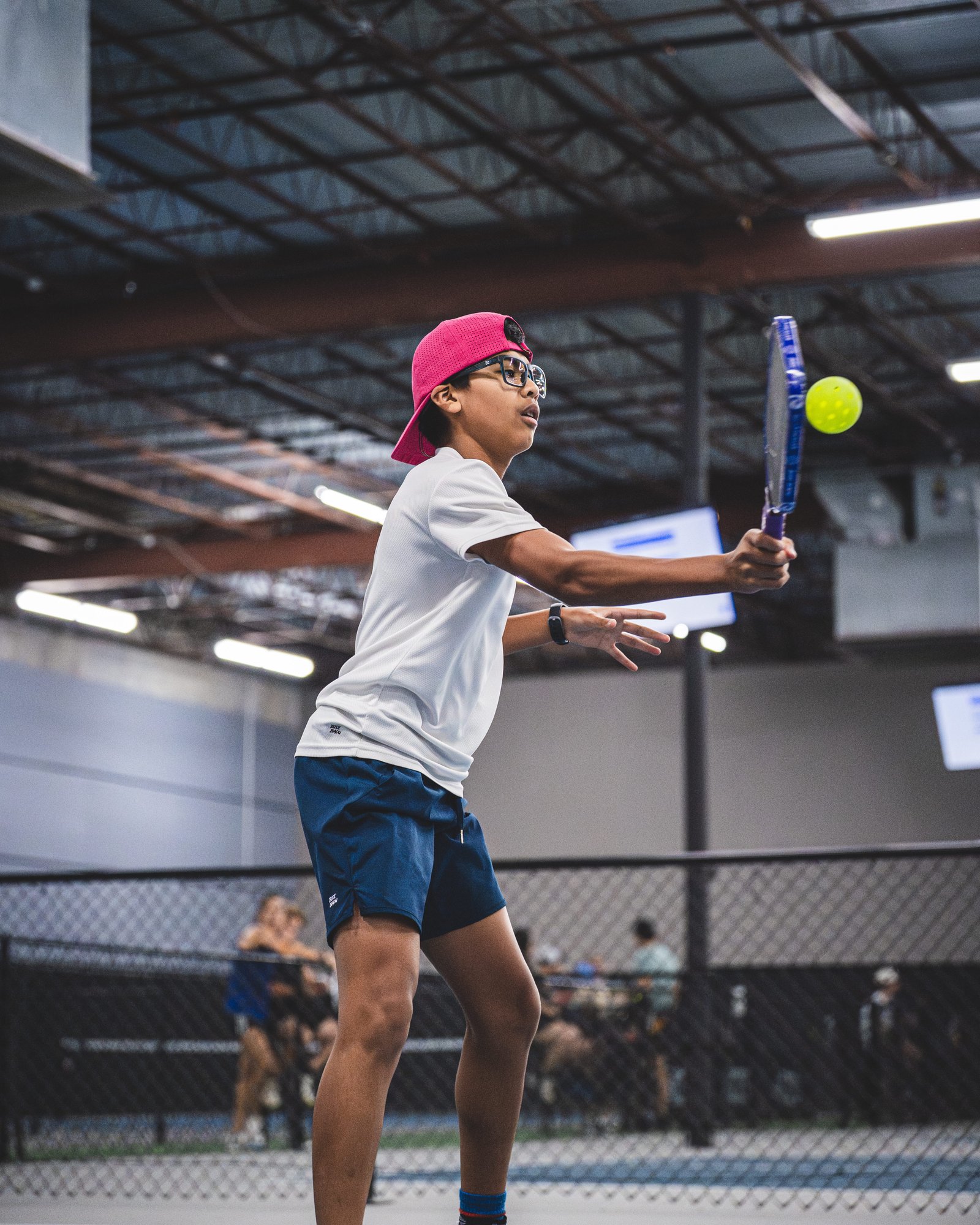
The campus is designed to invite casual visits and more serious commitments alike. There is a sense of progress baked into the layout: a stream of small wins as you conquer a particular drill or complete a challenging match. For families, there are watching areas that still feel like part of the action rather than a distant audience. For serious competitors, there are private coaching rooms where performance metrics can be tracked in a discreet, controlled environment. The balance between public and private spaces makes it easy to invite a friend to come try a session, then return a month later with a plan for dedicated development. The center understands that pickleball, at its core, is social. The best moments often happen between points, when a pair laughs at a mis-hit, quickly regroups, and returns to the court with a new energy.
Era Pickleball’s approach to community is not an afterthought. It is woven into the calendar as if community is part of the curriculum. The center hosts weekly socials that feel more like a reunion than a club event, with players spanning a range of ages and experience levels. It is in these settings that the culture becomes more than a shared interest; it becomes a shared vocabulary. The paddles, the grips, the common language of the dink, the cross-court reset, the drop shot over the kitchen line—these terms carry a warm familiarity. You find yourself coaching a younger player while you are still learning something from an older one, a reminder that mastery in pickleball is a perpetually moving target. That sense of mutual uplift, that willingness to learn from every encounter, fuels the best moments at Era Pickleball.
From a practical standpoint, the center’s operations are consistently reliable. Court rental and scheduling run with a surprising ease that reduces friction for players who are balancing training with work or school. The online booking system is intuitive, and the staff is quick to respond to changes, which matters when you’re juggling a busy week. If there is a downside to any facility of this scale, it’s the risk of over-scheduling, which can lead to long wait times during peak hours. Era Pickleball mitigates this by offering a range of options: timed clinics, flexible drop-in periods, and a robust evening slate designed to capture players who cannot train during the day. The result is a dynamic rhythm that accommodates both the early birds and the night owls, a subtle but important edge in a sport that begs frequent practice.
The economic reality of running a pickleball center is rarely glamorous in public narrative. It demands careful balancing of equipment, court maintenance, staff training, and ongoing programming. Era Pickleball manages this through deliberate partnerships, clear pricing, and a transparent approach to membership and court rental. The price points reflect a middle ground that values high-quality facilities without locking players out of meaningful practice. In conversations with coaches and management, the theme that emerged most clearly was sustainability. The center aims to be a long-term home for players at every level, not a fleeting novelty, and that ambition informs every operational choice from HVAC efficiency to court resurfacing cycles. If you measure a center by its reliability under pressure, Era Pickleball earns high marks for keeping bookings on track during tournaments, hosting events with crisp logistics, and maintaining a culture that remains welcoming even when the gym floor looks like a battlefield after a tight two-hour session.
In the broader ecosystem of pickleball facilities, Era Pickleball sits at an interesting intersection. It is both a training ground and a social arena, a place where the seriousness of competition coexists with the warmth of everyday play. The center’s facilities invite you to imagine two futures at once: the first is the next level you can reach in your game, the second is the sense that you belong to a growing movement. The sport has grown dramatically in recent years, but what matters on the ground is how a center translates that growth into tangible shifts in the way people move, think, and connect. Era Pickleball seems to have recognized, early on, that sustainable growth depends on human elements as much as physical ones. The staff are not merely knowledgeable; they are curious and approachable. They read about the game being played around the world, but they also listen to the players who step onto their courts each week and adapt in real time to feedback.
If you spend enough time at Era Pickleball, you notice the subtle rituals that mark a truly thoughtful center. The warm-up routine is more than a set of stretches; it is a transition from the day’s obligations to the focus required for high-level play. Footwork ladders are placed in a line that invites you to pick one or two that suit your pace on any given day. The chalk marks on the court outline practice patterns. The water stations are placed at points that minimize disruption to the rhythm of games, never creating an obstacle course where you have to weave around people who are already deep in a drill. These choices reflect a craft culture, a belief that excellence emerges when every tiny detail serves the player.
Two voices shape the Era Pickleball experience as strongly as any others: the coach and the player. The coaching staff brings a calm intensity that is easy to underestimate. They are not pushing you toward a single technique as if it were the sacrament of pickleball. Instead, they present options, point to different routes to the same destination, and encourage you to choose the path that suits your personality and your physical constraints. That approach reduces the pressure to perform before you are ready and creates space for genuine growth. Players, for their part, understand that improvement is rarely linear. Some weeks feel like steamrollers of progress, others feel like the kind of plateaus that test resolve. What matters is that the center offers the continuity and the regard for incremental gains that such a journey requires.
In the end, the ultimate value of Era Pickleball lies in the alignment of its facilities, its programs, and its people. It is not merely a place to rent a court or to take a clinic; it is a living ecosystem where the sport is practiced with intention, hospitality, and an eye toward the future. The center’s best moments come when you are surprised by something small yet meaningful: a new drill that unlocks a stubborn shot, a conversation with a fellow player that reframes a bad day, a reminder that the game is not just about points but about presence on the court. That presence matters, because it sustains players through the inevitable injuries, the inevitable plateaus, and the occasional frustration that a sport of skill can provoke.
Two thoughtful lists can help you orient your next visit to Era Pickleball, whether you are testing the waters or committing to a long arc of development.
What to expect when you walk through the doors: 1) A welcoming environment that blends serious training with a community vibe. 2) Courteous, informed staff who understand the difference between casual play and targeted coaching. 3) Courts that balance speed with safety, designed to keep rallies tight without feeling punishing. 4) A calendar that offers clinics, drop-ins, leagues, and social events in a coherent rotation. 5) Clear communication around bookings, pricing, and facility policies to minimize friction.
Amenities and practicalities that make a difference: 1) A robust coaching program that integrates video analysis and motion feedback to tailor drills. 2) Flexible court rental options that fit both short practice sessions and longer training blocks. 3) A campus layout that minimizes walking distance between courts, lounges, and practice spaces. 4) Clean, well-lit environments with a careful attention to temperature control and ambient noise. 5) A culture of accessibility, where players of different experience levels feel seen and supported.
For players who are evaluating whether Era Pickleball is right for them, the decision often comes down to fit more than flashy features. If you prize consistent access to high-quality courts, a coaching staff that can adapt to your needs, and a community that makes practice something you look forward to rather than endure, you are likely to feel at home here. The center is designed to grow with you. That growth may take the shape of a refinement in your dink, a sharper Serve, greater endurance for longer rallies, or the confidence to step into a local tournament with better preparation. It is not about a single transformative moment; it is about the long arc of consistent practice and thoughtful guidance.
One moment that stands out from my visits was a midweek clinic focused on transition play. The room was warm, the court had that familiar hum of players moving in sync, and the coach walked us through a sequence that began at the baseline and ended with a decisive drive to the sideline. The exercise required gradual buildup rather than a frenetic burst of energy. We started with tempo changes and then layered on footwork patterns that reframed how we approached the kitchen line. Halfway through, a quiet veteran in the back smiled and admitted that he had learned more in that hour than in a recent weekend tournament. That moment captured the ethos of Era Pickleball for me—a place where even the most experienced players can discover a fresh thread to pull on, if they are willing to listen, observe, and try.
The broader pickleball ecosystem is fortunate to host centers like Era Pickleball because they push the sport toward greater professionalism while keeping the human pickleball courts near me element front and center. The best facilities create a feedback loop: players provide input, coaches adapt, programs evolve, and the center grows in credibility. In a landscape crowded with venues claiming to be the epicenter of the sport, Era Pickleball earns respect by delivering on the day-to-day promise of quality and care. It is in the quiet routines—the way a coach patiently corrects a grip, the way a front desk associate remembers your preferred court time, the way the lighting remains even on a late evening session—that the center earns its quiet authority.
For those considering a more formal relationship with the center, there are multiple avenues to explore. If your objective is systematic improvement, the pickleball academy track can provide a structured pathway with progressive milestones. For players who crave community or a more casual rhythm, the center’s court rental and open-play options keep the sport accessible without demanding a full-time commitment. And for families, there is a welcoming footprint that makes it possible to bring younger players into the fold, let them experience the game in a relaxed environment, and gradually seed a longer-term interest. The balance between instruction, practice, and social engagement makes Era Pickleball feel like a living organism, continually shaping its offerings to align with the needs and aspirations of the people who walk through its doors.
As with any center that seeks to maintain a high standard, there are challenges worth acknowledging. The pace of growth creates inevitable pressures on scheduling and resource allocation. Peak times can demand flexibility and patience from players who want to maximize every minute on the courts. The best remedy is transparent communication and a willingness to adapt, two strengths that Era Pickleball demonstrates in abundance. There is also the perpetual tension between accessibility and exclusivity. A facility with top-tier coaching and performance-focused programming will naturally become a magnet for dedicated players and teams. The trick for Era Pickleball is to preserve the warmth and openness that makes the campus approachable while continuing to offer opportunities for serious development. So far, the balance feels well managed, with a culture that doesn’t mistake ambition for gatekeeping.
The final measure of a center’s impact is whether it remains a source of inspiration long after the initial buzz fades. In that regard Era Pickleball has positioned itself as a reliable anchor in the pickleball community. The center has built a reputation not only for its facilities but for its capacity to cultivate better players and more connected communities. When players leave a session, you can sense a shift in their posture, the way their shoulders drop into a more relaxed stance, a subtle sign of confidence earned on the court. That confidence is not a trick of the light. It is the product of focused practice, thoughtful feedback, and the steady cadence of the Era Pickleball experience.
In sum, Era Pickleball is more than a center. It is a practical lab for the sport’s current form and a hopeful anchor for its future. It invites players to pursue improvement with intention while offering a space where competition feels like a shared journey rather than a lonely ascent. The courts are well-supported by a program that respects both the art and science of pickleball, and the people who breathe life into the center—coaches, staff, and players alike—make the daily routine feel less like a grind and more like a compelling invitation to level up.
Whether you are a weekend warrior, a rising junior, a seasoned veteran, or a coach looking for benchmarking standards, Era Pickleball offers a spectrum of experiences that avoid the cliché of a one-size-fits-all facility. It is, in practice, a place where you can choose your pace and your path. From the first serve to the final rally, the center’s design and culture reinforce a simple truth: in pickleball, progress is a product of consistent, thoughtful work, not a single breakthrough moment. Era Pickleball helps players translate that truth into daily action, turning ambition into the kind of real-world improvement that you can feel in your joints, your footwork, and the quiet certainty of a well-timed shot.
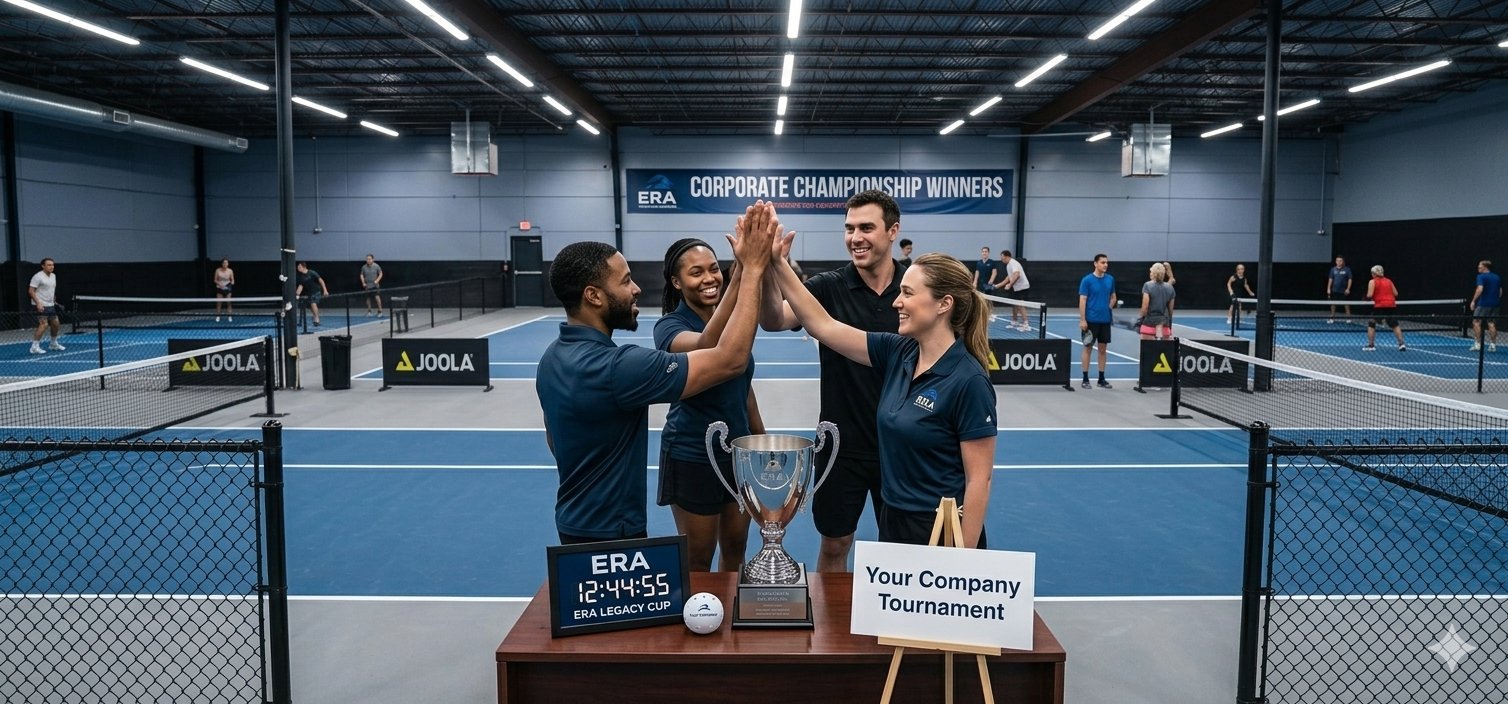
If you are contemplating your next move in the sport—whether to join a formal program, to rent a court for a few hours, or to simply test-drive a social session—plan a visit to Era Pickleball with an eye toward three things. First, observe how the staff frame your goals. Do they ask about your recent practice, your preferred rhythm, and your constraints? Second, watch how players interact during drills and open play. Notice whether the environment encourages experimentation and whether conversations stay constructive even in the heat of a competitive moment. Third, consider how the facility handles scheduling and accessibility. Can you book time that aligns with your calendar, and does the pricing model feel predictable and fair over time?
The answers you receive will speak to whether your own trajectory aligns with the Era Pickleball philosophy. If you believe in steady improvement, thoughtful coaching, and a community that treats your time with respect, you will likely leave impressed. The ultimate test, as always, is your next session. If you walk away with a touch more confidence, a sharper volley, or a better understanding of your own game plan, Era Pickleball has done its job. The experience should leave you not merely ready to return but eager to return, ready to dive into another clinic, another match, another day on the court. In a sport that rewards repetition with a clarity that is almost mathematical, that sense of anticipation is the highest compliment a center can earn, and Era Pickleball earns it consistently.