Court IQ Drills with Era Pickleball pickleball training
Every sport rewards smarter play as much as it rewards skilled execution. In pickleball, court IQ isn’t some abstract idea—it’s a tangible set of habits that show up in how you read the ball, position your feet, and decide when to take risks. Over years of coaching and watching players move through the Era Pickleball training ecosystem, I’ve seen how a focused, drill-driven approach can lift a player from reacting to shaping the game. This article looks beyond technique and into the mental habits that turn good rallies into points, and points into momentum.
You’ll hear about the kind of instruction you’ll find at era pickleball training sessions, specifically tailored to those who want to sharpen decision making under pressure. The aim isn’t flashy drills that look impressive in warmups but don’t translate to match play. It’s about building a practical framework, one that you can carry onto the court each time you step onto the doubles lines or chase a cross-court shot in singles. If you’ve ever wondered why two players with similar strokes end up on opposite ends of the scoreboard, you’re likely missing a layer: how they think through exchanges as the rally unfolds. The good news is you can train that thinking with purpose, and the effects compound quickly.
Court IQ begins with understanding the court itself. The layout—service boxes, non-volley zones, baseline depth—dictates the kinds of shots that are most efficient at any given moment. But space is not the only constraint; speed, timing, and the psychology of the rally all play a part. A drill can illuminate a weak spot, but the real value comes from translating that insight into habit. The best players I’ve coached aren’t the ones who can whack a ball hardest. They’re the ones who make smarter choices, more often, in the hours between serves and last returns.
A telling moment often happens in a warmup that starts as a simple drill for control. The ball comes at a comfortable pace, and the players settle into a rhythm. Then the pace increases, and with it the cognitive load. The best athletes stay present with the ball, but they also keep a running script in their minds: what shot am I most likely to be facing next, where will the ball land if I hit here, and what is my partner expecting from me? It’s a blend of perception, anticipation, and communication. Era Pickleball pickleball training emphasizes that blend by building routines that reinforce how to see, decide, and react in real time.
The style of coaching you’ll encounter at era pickleball training emphasizes practicality. There’s a preference for drills that replicate the rhythm of a real match rather than sterile repetition. You’ll see canvases of drills that look almost cinematic in the moment—two players locked in midcourt exchange, a third moving between lines with a coach calling out cues that mirror the crowd noise of a tournament. The coaching philosophy is simple: give players a framework to interpret the court quickly, then stress-test that framework in drills that demand precise timing and clear intent.
To understand why this matters, consider a common scenario. You’re at the kitchen line, and the opposing team lobs you a soft drive. Your instinct might push you toward a soft dink, but your court IQ nudges you to consider the geometry of the court, your partner’s position, and the risk of leaving a weak reply for a brisk reset. The dink is valid, but not in every moment. The ability to see which moment deserves a patient, controlled shot versus a decisive, aggressive transition is what separates good players from great ones. That distinction is exactly what Era Pickleball pickleball classes aim to teach with intention.
A practical route to strengthening court IQ is to pair physical repetition with cognitive challenges. The drills should feel like a dialogue with the game rather than a monologue of stroke practice. As you read a ball, you aren’t just tracking its trajectory; you’re building a map of possibilities, a mental ledger of outcomes that guides your choices in milliseconds. In my experience, the most valuable drills are those that force you to pick a path, live with the consequence, and adjust in the next rally. The body learns through the feedback loop of action and consequence, and the mind learns through the clarity of the decision you commit to.
What follows is a practical guide to drilling for Court IQ with Era Pickleball pickleball training. You’ll find a blend of sensory focus, decision-driven practice, and game-replicating scenarios. And because this is a sport where a few inches can determine whether a rally ends in a volley or an error, the drills emphasize precision. They’re designed to be approachable for players who are serious about improvement without requiring heroic levels of athleticism. The underlying message is simple: better decisions, made more often, yield more wins.
In practice, I’ve seen players unlock a higher ceiling by adopting a disciplined routine that connects what they do with what happens on the scoreboard. The drills below are arranged to flow from perception to action, from controlled to live, and from individual to partnered play. They’re adaptable to different skill levels, with adjustments that can scale to beginners who are building the vocabulary of court sense and to advanced players who are chasing that additional edge during big points.
Drill design philosophy matters as much as the drill itself. The most effective Court IQ drills share several traits. First, they create visible tension in the rally—someone has to decide under speed. Second, they couple physical execution with a clear decision line, a moment when the player must choose a path and commit. Third, they incorporate feedback, either from a coach, from a ball-marked target, or from the partner’s position and reaction. Finally, they simulate tournament pressure in a way that remains controllable, so you can derive learning without becoming overwhelmed.
As you integrate these drills into your routine, you’ll learn to read the court with greater certainty and to act with more confidence. You’ll also notice the subtle shift in your partner’s behavior as your decisions become more predictable and reliable. Team dynamics often improve when one or both players trust that the other will make the right call at the right moment. The result is smoother transitions, fewer miscommunications, and more consistent pressure applied to the opponents.
Two practical considerations shape how you’ll implement these drills. One is tempo. You may start more slowly to nail the cognitive load, then gradually ramp up as you feel more comfortable with the decision framework. The other is feedback. If you don’t have an experienced observer, set up a simple system with a partner who can offer quick notes after a rally or a coach who can call out the decision points you missed. The goal isn’t to memorize every rule but to strengthen your instinct so your choices become second nature even when the rally is chaotic.
Now, let’s move from philosophy to concrete practice. The following drills are designed to be executed in sequence within a single training block or pulled into a broader session. They reflect the kinds of exercises you’ll encounter in era pickleball training sessions and are aimed at producing tangible improvements in court IQ without overwhelming your schedule.
A carefully designed warmup is essential. It should blend footwork, ball tracking, and shot anticipation. You want your body to feel ready for fast exchanges and your mind ready to process cues. A good starting warmup includes activation for the hips and ankles, a few quick crossovers, a couple of controlled drives, and a short session at the kitchen line to reacquaint your eye with the texture of the ball on the paddle. This is the moment where the brain begins to lock onto the language you’ll use later during the drills. Language matters in court IQ because the words you use to frame a decision become your internal coach later in the rally.
As you progress through the session, you’ll encounter these core drills. They are designed to challenge your reading of the play, your positional awareness, and your willingness to take proactive steps when the moment calls for it. The first set is about reading the opponent’s intent from the return and arranging your body to capitalize on the right moment. The second set translates that reading into action, with emphasis on choice and timing. The final set closes the loop with live play that tests the integration of perception and execution under real pressure.
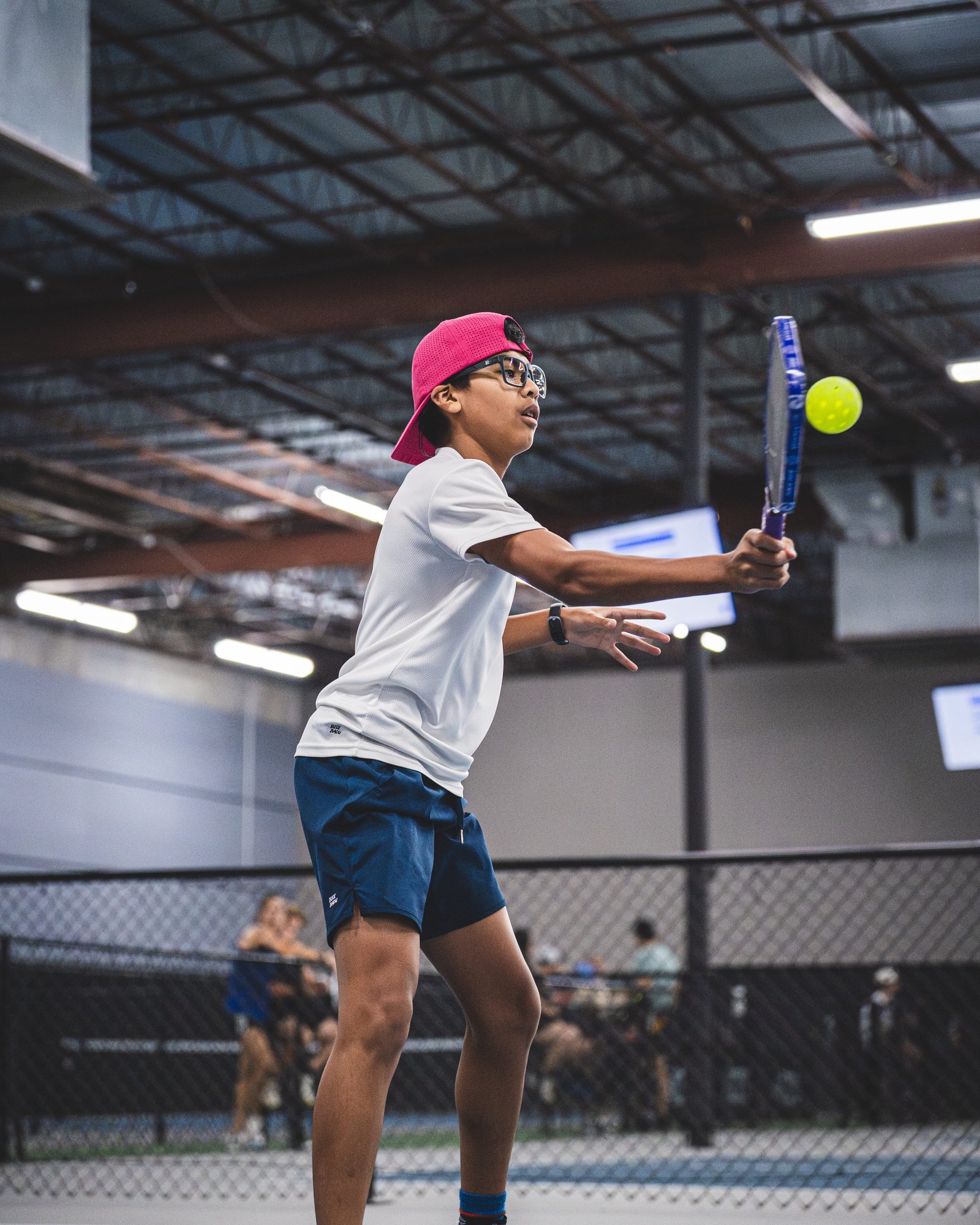
The learning curve for Court IQ is not a straight line. You will have good days and less good days. You’ll find that certain aspects come more quickly than others, and that some days your decisions will be sharper while your execution lags, or vice versa. The beauty of a structured drill sequence is that you can isolate the weak link and work on it without derailing the entire practice. In era pickleball training, the coaches are attuned to this dynamic. They’ll often pause at a decision point, ask you to articulate your reasoning, and then guide you toward a cleaner path that preserves your momentum.
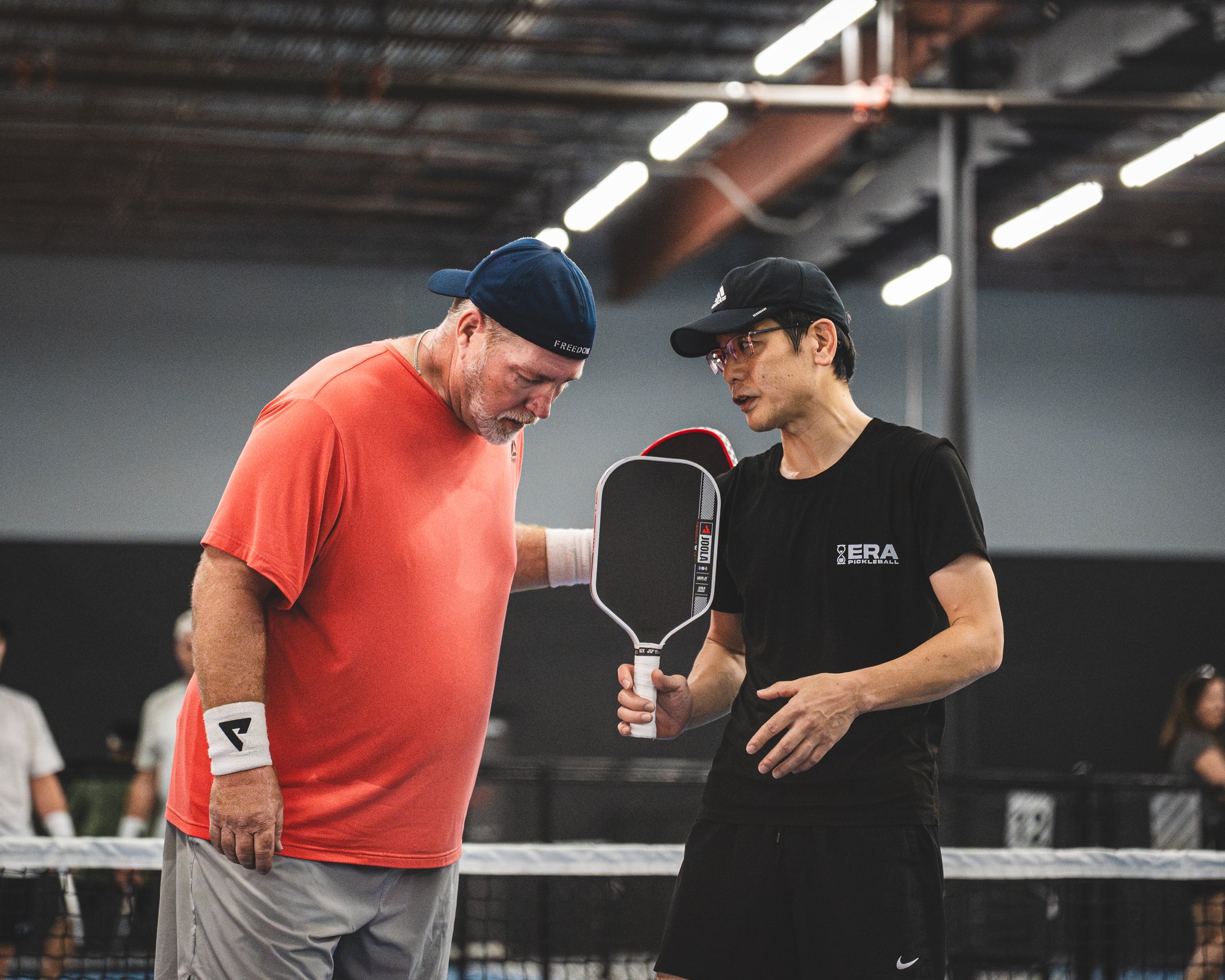
You may notice a recurring theme while you work through these drills: the choice to apply pressure or to retreat depends as much on your partner’s action as on your own. A well-timed shot can set up a partner for a simple finish, while a poor choice might invite a counterattack that costs you the rally. This is the essence of court IQ in doubles play, where your cognitive work must consider both sides of the net. In singles play, the same principles apply, but the geometry shifts and the stakes feel more intimate. Either way, the drills you’ll practice are designed to cultivate decisiveness, accuracy, and trust in your own strategic sense.
Two lists offer compact anchors you can keep in mind while you practice. They break down the drills into a quick checklist and provide reminders for how to think during the action.
-
Drills to build court sense:
-
Read the return trajectory and decide early whether to drive, dink, or retreat to neutral space
-
Track the opponent’s body language as they prepare to hit and anticipate the shot type
-
Position your feet to apply pressure without overcommitting
-
Use your partner’s position to time the finish or the transition
-
Move with intent and communicate clearly about your plan
-
Common landmines to avoid during training:
-
Overreliance on a single shot regardless of the situation
-
Waiting too long to decide, letting the rally run out of tempo
-
Misreading the court geometry because of fatigue or distraction
-
Trading speed for precision at the wrong moments
-
Failing to align with your partner’s expectations on where to cover
The practical impact of these elements tends to reveal itself quickly in match play. You’ll notice that you’re better prepared for the occasional rally that tests your nerve, and your partner will respond to the increased clarity you bring to shared moments on the court. When you can read both the ball and the player well enough to anticipate the next shot, you create space and time for yourself and for your partner. That’s the heart of the Era Pickleball experience: training that compounds into dependable decision making under stress.
In real-world terms, the kind of improvement you can expect from a well-structured Court IQ program is measurable. You’ll gain confidence in the kitchen when the ball is moving fast and the pressure is high. You’ll reduce the number of unforced errors by hitting the right shot at the right moment more often. You’ll also discover a softer mind in tense moments—an ability to reset after a mistake and pivot toward the next point with greater composure. Players who commit to consistent, thoughtful practice often report that their communication with partners becomes cleaner, and that translates into more unified defense and more efficient transitions to offense.
A practical tip for integrating these ideas into your regular routine is to end each session with a quick debrief. If you have a coach, have them summarize two or three decision moments you handled well and two or three opportunities where your read could have been better. If you’re working solo or with a partner, you can do a short, honest post-match reflection. The aim isn’t to dwell on errors but to anchor learning—what to search for on the next rally and how to adjust your plan accordingly.
When you’re serious about pickleball training, it’s essential not to overthink the process. You want to strike a balance between cognitive work and physical consolidation. The brain needs time to consolidate the decision rules you’re training, just as the muscles require time to internalize new footwork or shot mechanics. That balance comes from structured practice, deliberate variation in drills, and the willingness to accept that progress may be incremental. Over weeks and months, though, the changes accumulate. You’ll notice yourself making smarter calls at earlier moments in rallies, and your body will respond by moving with greater economy and purpose.
Era Pickleball coaching emphasizes not only the what but the why. Understanding the rationale behind a drill helps you apply it across different situations. It also makes the training feel personal rather than generic, which matters when you’re trying to bring meaning to every stroke you hit. The coaching approach helps you connect your daily practice to the way you’ll play in tournaments, where the court becomes a stage and your decisions determine whether you win a point or lose one you should have had.
To bring the whole conversation back to the practical level, consider this: you’re investing in Court IQ not just for the next match, but for every match you’ll play in the future. You’re building a cognitive toolkit that will travel with you, not just a set of techniques that will fade with time. When you walk onto a court—whether it’s a club session, a league match, or a tournament—you’ll be carrying a patterned approach to reading the game, a disciplined habit of deciding early, and a crisp way of communicating with your partner. In short, you’ll have a map for the court that helps you navigate the fastest, most demanding rallies with a calm, surgical clarity.
The Era Pickleball pickleball training ecosystem is not a one-size-fits-all machine. The best programs adapt to the player who shows up with a unique set of strengths, weaknesses, and goals. Some players benefit from a slow ramp, emphasizing perception and poise. Others benefit from a more aggressive tempo that pushes decision-making under pressure from the jump. For those who juggle multiple commitments, the program can be scaled to fit a demanding schedule without sacrificing the quality of the cognitive work. The guiding principle is that better decisions lead to better results, and the more you practice making smarter choices, the more reliable your execution becomes.
As you commit to a Court IQ plan, you’ll notice that the drills aren’t dislocated from match reality. In fact, they’re designed around the same questions you’ll face during tournament play: Where is the open space on the court? Which partner is most likely to finish the point after a dink at the kitchen? How will you respond if your first aimed shot is returned with a misdirection lob? These are not abstract puzzles. They are real questions that shape the way you move, how you read, and what you decide in milliseconds.
If you’re curious about where to start within Era Pickleball pickleball classes or coaching, here are a few practical entry points. You want a program that makes a direct link between your drills and your matches. You want feedback that is specific and actionable, not generic praise or vague pointers. You want a cadence that respects your time while delivering measurable discover more gains. In short, you want a system that treats learning as a journey rather than a sprint. The right program will keep you honest about your gaps while inviting you to lean into your strengths.
The journey toward stronger Court IQ is rarely glamorous in the moment. It’s a steady accumulation of small improvements that compound when you matter most. Each rally becomes a new data point, each decision a rehearsal for the next moment under stress. The reward isn’t just better rankings or more victories; it’s a quieter confidence that your game has an interior logic that opponents must contend with.
If you’ve read this far, you already recognize that pickleball is a game of inches and fractions. The difference between a well-placed drop shot and a poorly chosen drive can come down to a half beat in your decision timing. The Court IQ work you undertake with Era Pickleball pickleball training is designed to shrink those margins, not simply widen your stroke library. The result is a more reliable, more adaptable player who can shape rallies instead of merely reacting to them.
The modern pickleball player benefits from a coaching ecosystem that respects the craft of thinking while demanding the discipline of doing. With Era Pickleball pickleball training, you’re not just practicing how to hit a ball. You’re practicing how to think under pressure about the best way to win the next point. That is the essence of Court IQ, and it is the centerpiece of any serious effort to elevate your game.
In closing, or rather in continuation of the practice, the idea is to keep the practice meaningful. The drills should stay relevant to your current level and stretch you just enough to force growth without tipping you into frustration. You’ll know you’re on the right track when you start recognizing patterns in the rallies before they fully unfold, when you begin predicting your opponent’s responses with greater accuracy, and when your partner starts nodding with confidence because they trust your decision making to keep the advantage on your side of the court. That trust is not granted by chance; it is earned through deliberate practice, honest feedback, and a consistent willingness to push your own boundaries.
If you’re looking to implement a structured Court IQ plan, start with a conversation with your coach at Era Pickleball pickleball coaching. Share your goals, your typical practice schedule, and the situations in which you feel most unsure. From there, you can tailor a sequence of drills that aligns with your weekly rhythm while preserving the cognitive emphasis. The result is a durable, repeatable approach to the game—one that makes you sharper, steadier, and more proactive in both doubles and singles. And if you ever doubt the value of that approach, revisit the moment when a single decision turned a costly rally into a momentum shift. In that instant you’ll know why Court IQ isn’t a luxury. It’s a necessity for players who want to maximize their time on court and maximize the enjoyment of the game itself.